
A medical result can change a future overnight. Many candidates feel confident until blood reports raise red flags days before travel. Small imbalances in hemoglobin, sugar, or liver markers often trigger anxiety during a GAMCA Medical process. The good news feels simple. Food choices made one week earlier can influence several routine blood parameters. Preparation now matters more than last-minute panic.
This guide focuses on nutrition that supports your body before screening, without shortcuts or unsafe supplements.
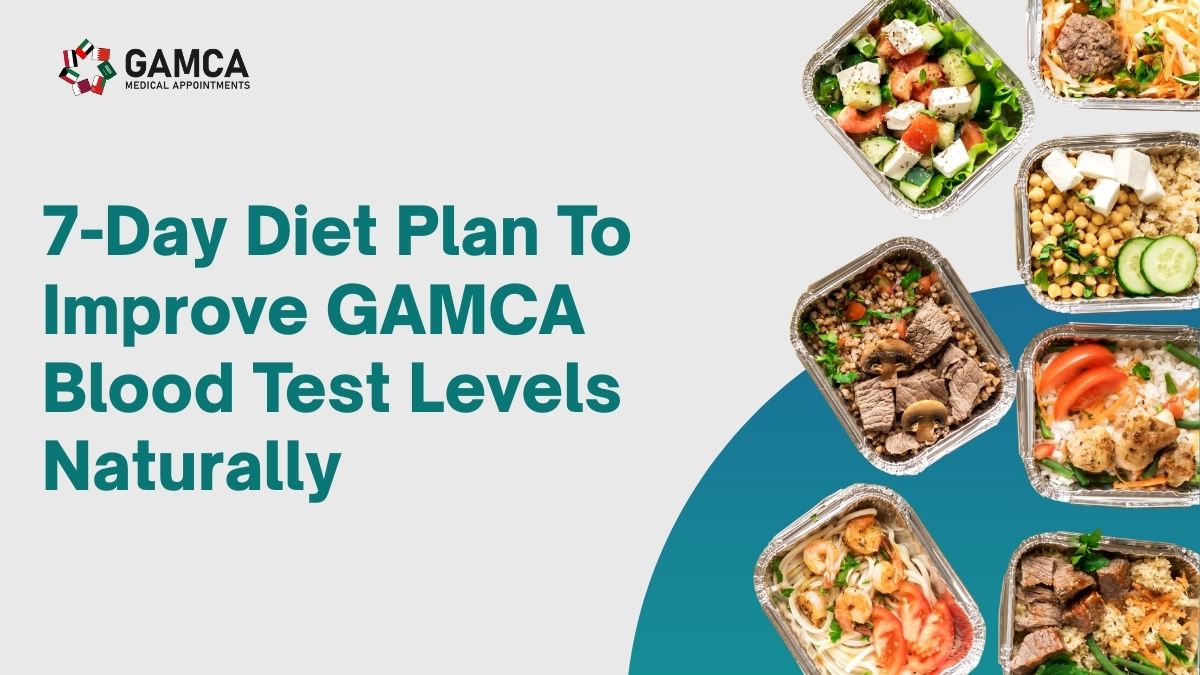
Why Blood Parameters Matter In GCC Medical Screening
Blood tests aim to assess fitness, not perfection. Doctors check indicators linked to infection risk, metabolic stability, and organ function. According to regional health audits, nearly 18 percent of retests involve diet-sensitive markers rather than chronic disease markers.
Candidates attending a GAMCA medical appointment often overlook hydration, iron intake, and sugar control in the final days. These gaps distort readings temporarily. Smart nutrition stabilizes values naturally, reducing the chance of repeat visits.
Preparation builds confidence before you enter the clinic.
Nutritional Strategy Behind The 7-Day Plan
The plan supports red blood cell production, liver detox pathways, and glucose balance. Each day provides a balance of proteins, complex carbohydrates, and micronutrients. Meals should avoid excess salt, refined sugar, and oily foods.
Timing matters as much as content. Eating at regular intervals reduces stress hormones that skew blood sugar. Hydration supports plasma volume and kidney clearance.
Candidates preparing for a GCC Medical Appointment benefit most when diet discipline pairs with adequate sleep and light activity.
The 7-Day Diet Plan Overview
| Day | Focus Area | Key Nutrients | Primary Benefit |
| Day 1 | Iron Boost | Iron, Vitamin C | Supports hemoglobin |
| Day 2 | Liver Support | Fiber, Antioxidants | Improves enzyme balance |
| Day 3 | Sugar Stability | Complex carbs | Reduces glucose spikes |
| Day 4 | Hydration Reset | Electrolytes | Normalizes plasma levels |
| Day 5 | Protein Balance | Lean proteins | Repairs tissue markers |
| Day 6 | Gut Health | Probiotics | Improves absorption |
| Day 7 | Light Detox | Greens, fluids | Pre-test stability |
Daily Meal Guidance That Works
Day one prioritizes leafy greens, citrus fruits, and lentils to support iron absorption. Day two introduces beetroot, cucumber, and oats to reduce liver strain—midweek meals lean on brown rice, steamed vegetables, and low-glycemic fruits.
In later days, simplify digestion with curd, soups, and lightly cooked vegetables. Salt intake stays controlled. Sugar remains minimal. Avoid alcohol completely.
Candidates registered through GAMCA Medical Registration often see steadier readings when meals remain light the evening before testing.
Real-World Scenarios Candidates Face
The Borderline Hemoglobin Case
At GAMCA Medical Appointments, many office professionals arrive confident, only to have their hemoglobin slightly low. In most cases, the pattern stems from tea-heavy routines and skipped meals. Candidates who followed iron-rich meals with proper vitamin C support for a week often returned with stabilized levels and avoided repeat testing.
The Sudden Sugar Spike
Another common experience involves candidates who eat irregularly under work stress. Fasting sugar appears elevated despite no history of diabetes. When these individuals shifted to fixed meal timings and complex carbohydrates before testing, readings frequently normalized during their scheduled medical visit.
The Fatty Liver Flag
GAMCA Medical Appointments regularly sees temporary elevations in liver enzymes after recent heavy or oily food intake. Candidates who adopted light, clean meals and avoided alcohol for several days often showed improved enzyme balance without further intervention.
The Dehydration Error
Long-distance travelers sometimes present diluted or inconsistent blood values due to poor hydration habits. Candidates who corrected water intake in the days leading up to their appointment typically achieved clearer, more stable reports.
Each of these experiences reinforces a simple truth. Disciplined nutrition before screening can prevent unnecessary stress, delays, and repeat visits.
What To Avoid During These Seven Days
Fried snacks, bakery items, and sugary drinks disrupt liver and sugar markers fast. Excess protein powders confuse kidney readings. Herbal detox products create unpredictable results.
Schedule your GAMCA medical appointment today!
Doctors at GAMCA-approved medical examination centres frequently advise candidates to keep their diet simple and natural. Whole foods outperform supplements in short preparation windows.
Less intervention produces clearer results.
Data That Supports Dietary Preparation
Clinical nutrition studies show that hemoglobin can increase by up to 1 g/dL within 7 days with diet alone. Hydration improvements normalize urea and creatinine fluctuations within 72 hours. These shifts explain why early preparation reduces repeat testing.
Before scheduling your GAMCA Medical Center visit, nutrition planning offers a measurable advantage.
FAQs
Yes, the diet helps stabilize temporary fluctuations that commonly trigger repeat testing. Many repeat visits occur due to mild dehydration, low hemoglobin, or short-term sugar imbalance rather than chronic illness. By improving hydration, iron absorption, and metabolic balance over seven days, candidates often present more consistent blood values. It reduces the likelihood of borderline readings that require re-evaluation during a GAMCA Medical screening.
Hemoglobin, fasting blood sugar, liver enzymes, and kidney markers respond fastest to dietary adjustments. Iron-rich meals can raise hemoglobin modestly within a week. Reduced sugar intake stabilizes glucose readings. Proper hydration normalizes urea and creatinine levels. These are also the most common diet-sensitive markers flagged during a GCC Medical assessment.
Yes, the plan suits candidates who consider themselves healthy but want to avoid unexpected test deviations. Even healthy individuals can show abnormal values due to stress, poor sleep, dehydration, or recent junk food intake. This plan acts as preventive preparation rather than treatment. It supports the body’s natural balance before attending a GAMCA medical appointment.
On the day of testing, candidates should follow clinic-specific fasting instructions if provided. Otherwise, a light, easily digestible meal the night before works best. Avoid heavy, salty, or sugary foods in the hours leading up to the test. Maintaining hydration without overdrinking water helps prevent diluted readings. Candidates visiting a GAMCA Medical Center often benefit from simplicity rather than aggressive dietary changes on the final day.
No, this diet does not replace medical treatment or prescribed medication. It supports natural balance for candidates without diagnosed conditions. Those with known diabetes, liver disease, or anemia should follow their doctor’s guidance alongside dietary care. The plan works best as a short-term preparation tool before screening at GAMCA-approved medical examination centres, not as a substitute for medical management.
Prepare With Confidence
Medical clearance should not feel like a gamble. Small choices across one week influence outcomes more than people expect. Nutrition builds stability. Discipline builds peace of mind.
If you plan your screening soon, consult GAMCA Medical Appointments for accurate scheduling guidance and preparation support. A clear plan today protects your opportunity tomorrow.
